Ensure Your Home's Safety: Key Services Provided by Licensed Electricians
Professional electricians deliver essential services that improve household security. They address common electrical problems and perform routine inspections to detect possible dangers. These specialists confirm that electrical installations comply with safety codes while also advising on enhancements to older systems. Understanding these essential services can help avert emergencies and safeguard property value. Residents frequently ask which particular problems electricians address and how to find the most suitable specialist for their requirements.
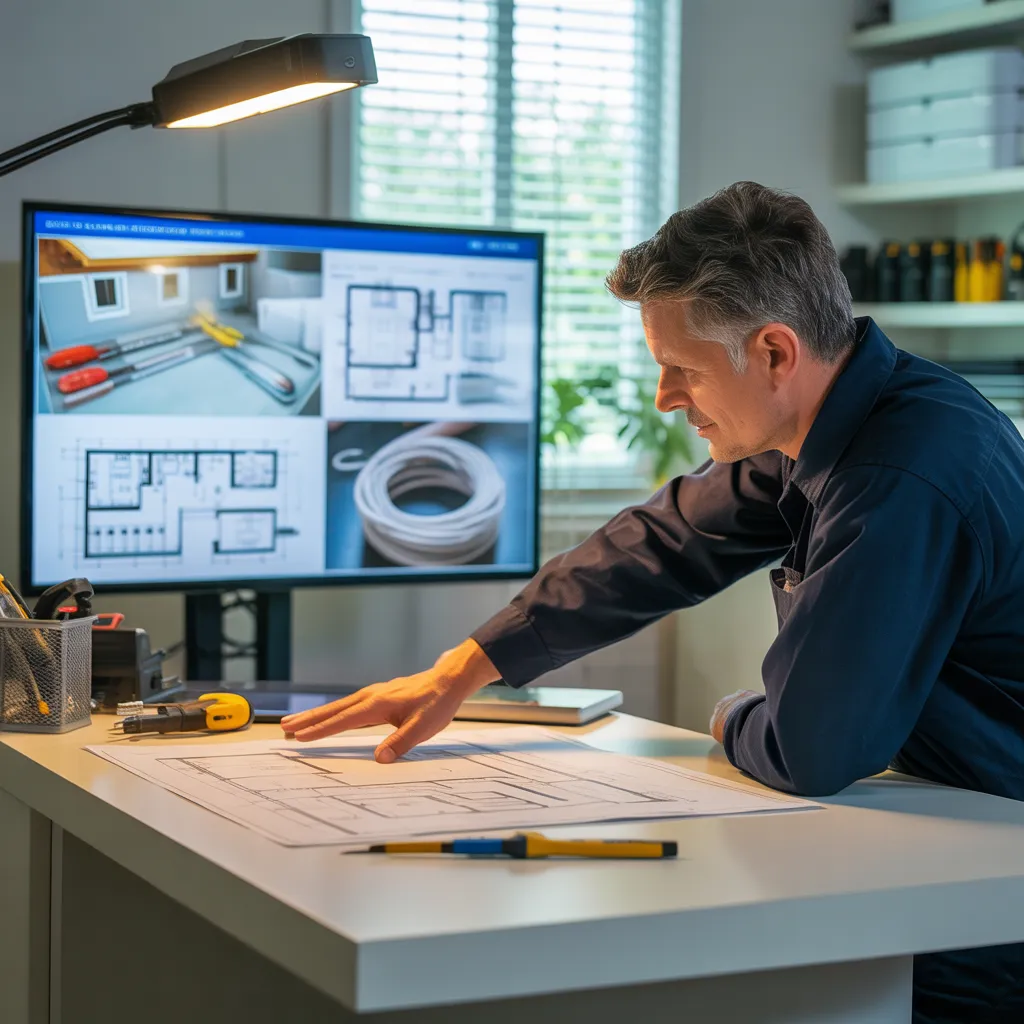
Typical Electrical Problems and How to Address Them
Electrical problems can disrupt daily life, making it essential to recognize common problems and their solutions. Intermittent light flickering, for instance, often result from loose bulbs or faulty wiring. Tightening connections or replacing bulbs can resolve this issue. Circuit overloads, characterized by frequent breaker trips, can be alleviated by redistributing appliances across different circuits or upgrading the electrical panel.
A frequently encountered concern involves outlets that stop functioning, which may stem from tripped breakers or damaged wiring. Testing the breaker and inspecting the outlet can help identify the cause. Additionally, ground fault circuit interrupters (GFCIs) may trip unexpectedly due to moisture or faulty devices; resetting the GFCI or substituting defective devices can reestablish proper operation. Recognizing these common electrical problems enables homeowners to address issues promptly, maintaining security and optimal performance within their residences.
Why Regular Electrical Inspections Matter
Although many homeowners may overlook the importance of routine electrical inspections, these assessments are vital for ensuring the safety and efficiency of any home. Routine assessments detect serious risks like deteriorating wiring, obsolete systems, and overwhelmed circuits, potentially causing dangerous electrical fires or device malfunctions. By tackling these problems before they escalate, residents can eliminate unnecessary repair costs and maintain compliance with electrical safety codes.
In addition, inspections are instrumental in uncovering energy inefficiencies within a property, facilitating changes that contribute to reduced utility costs. Qualified electricians hold the knowledge to spot subtle signs of wear and tear that an untrained eye might miss. Additionally, periodic inspections tend to boost the service life of home electrical systems and connected appliances, supporting the long-term value of the home. When all is considered, making regular electrical inspections a priority is a vital measure in protecting the safety of residents and the structural integrity of the property.
How Inspections Lead to Safe Installations
Routine electrical inspections serve a critical function in guaranteeing that installations are performed safely and efficiently. These evaluations permit qualified electricians to examine existing wiring, outlets, and fixtures, detecting potential dangers or code violations before new installations begin. By assessing the general state of the electrical system, electricians are able to resolve problems such as obsolete wiring or insufficient grounding, which could potentially jeopardize safety.
Additionally, these assessments allow professionals to verify that all elements satisfy existing safety codes. This proactive measure not only enhances the safety of the installation process but also protects homeowners from future electrical failures or hazards. Professional electricians leverage their skills to advise on required improvements or modifications, confirming that all installations adhere to recognized best practices. At the end of the day, periodic inspections help establish a safer residential setting, providing homeowners with greater peace of mind while minimizing the likelihood of electrical fires or failures down the line.
Upgrade Your Electrical Panel for Safety
Modernizing the electrical panel is a crucial step in boosting home safety. A dated panel can pose serious risks, including damage to appliances and electrical fires. Professional electricians recommend this upgrade to support modern electrical demands and secure stable electrical distribution.
Updated panels feature sophisticated protective features, such as circuit breakers that immediately halt electrical flow in the event of overloads or faults. This lowers the likelihood of overheating and possible hazards. Furthermore, an upgrade frequently enables the addition of more circuits, addressing the rising number of electronic devices used in homes today.
Homeowners could observe lights that flicker, circuit breakers that trip often, or the odor of something burning, each of which suggests that an electrical upgrade may be required. Consulting a licensed electrician can provide insights into whether an electrical panel upgrade is warranted, promoting a safer home environment while addressing the requirements of modern electrical consumption.
What Steps to Take in an Electrical Emergency
Electrical incidents can emerge at any moment, often emphasizing the significance of a properly maintained electrical panel. In such situations, prompt action is essential to secure safety. Initially, those present should remain calm and evaluate the circumstances. If there is a fire or smoke, leaving the building and contacting emergency services should be the priority. For cases of electrical shock, one must avoid touching the victim directly and instead employ a non-conductive item to disconnect them from the electrical source.
In the event of a power outage, inspecting the circuit breaker is a wise measure before contacting a licensed electrician. Should strange odors or buzzing noises come from outlets, it is critical to disconnect appliances and cease using them until a professional can inspect the system. Ultimately, maintaining copyright information for a licensed electrician within reach can support rapid action in emergency circumstances, ensuring safety and reducing potential harm.
How to Find the Right Licensed Electrician
How can one guarantee they select the right licensed electrician for their needs? To begin, confirming the electrician's license and insurance is critical to ensure adherence to local regulations. Next, seeking recommendations from friends, family, or online reviews can provide insights into the electrician's reliability and quality of work.
In addition, you should inquire about the electrical professional's experience and specialization, as some may focus on household wiring while others excel in commercial installations. Requesting a complete pricing estimate, covering labor and materials, assists in evaluating expenses and preventing unforeseen charges.
Furthermore, examining communication abilities is essential; a reliable electrician should explain issues clearly and answer questions patiently. Finally, verifying warranties on work performed can demonstrate a pledge to excellence. By considering these factors, homeowners can make informed decisions, guaranteeing safety and satisfaction with their hired electrician.
Commonly Asked Questions
What Qualifications Should I Consider When Hiring a Licensed Electrician?
When searching for a qualified electrician, one should prioritize important factors such as appropriate licensing, necessary certifications, extensive experience, strong client testimonials, and conformance to safety guidelines, securing both expertise and trustworthiness in electrical services.
What Are the Typical Costs for Electrical Services?
Electrical work is generally priced from $50 here to $100 per hour, according to the scope of the project and the electrician's background. Further expenses may be added for supplies, permits, or urgent services beyond standard working hours.
Are There Any Warranties for Electrical Work?
Numerous certified electrical contractors include service warranties for their work, typically covering labor and materials for a defined period. This warranty guarantees client satisfaction and offers confidence concerning the overall quality and lasting performance of the electrical services executed.
Can I Complete Electrical Work on My Own?
While individuals may attempt electrical work themselves, it is usually not a wise decision. Certified electricians carry the experience and technical knowledge needed to maintain safety and regulatory compliance, limiting the chances of mishaps and potential safety risks.
How Frequently Should I Schedule Electrical Inspections?
Residential property owners should schedule home electrical inspections every three to five years, or more often if experiencing issues. Periodic inspections help identify electrical risks, guaranteeing protection and adherence with modern electrical safety standards and codes.